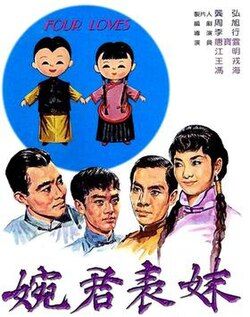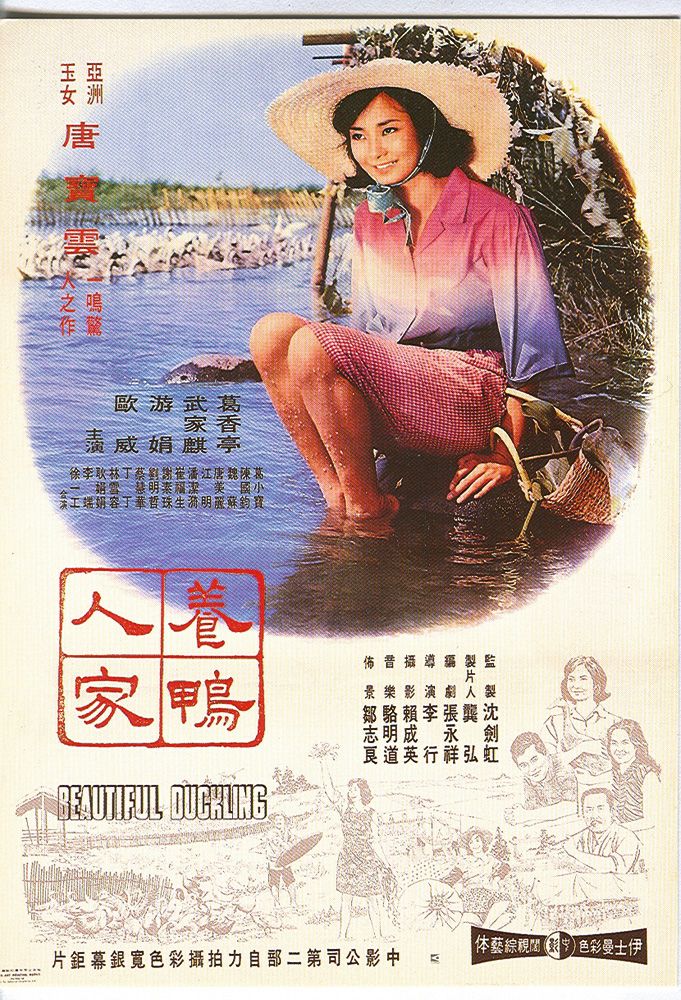
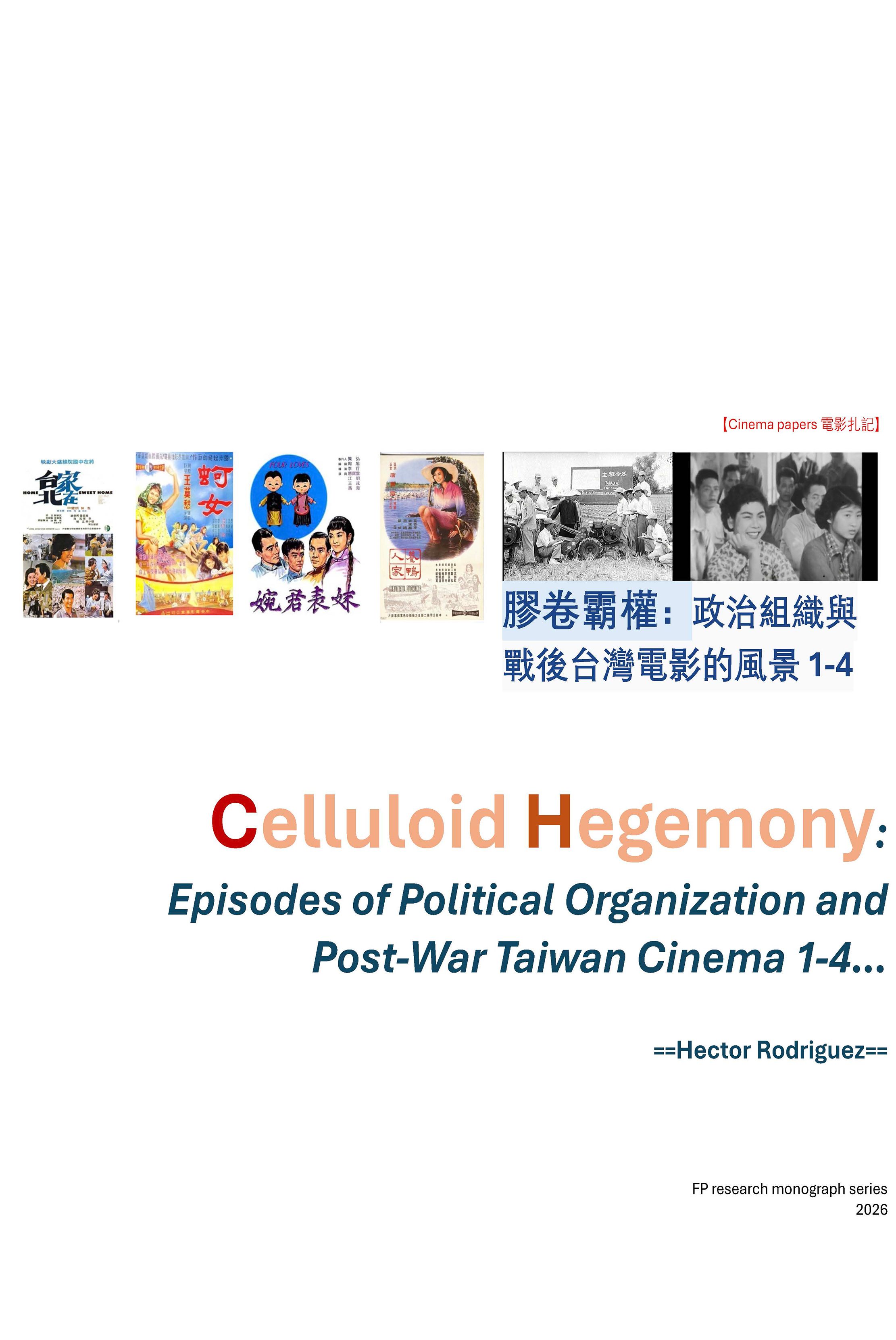
Celluloid Hegemony: Episodes of Political Organization and Post-War Taiwan Cinema 1-4《膠卷霸權:政治組織與戰後台灣電影的風景 1-4》| Hector Rodriguez, 259 pages, English | Floating Projects research series, Floating Projects Monograph, Floating Projects Cinema Papers **available and on-site at Floating Projects
In the 1960s, the cinema of Taiwan was not merely a site of cultural expression; it was a contested apparatus for the manufacture of political mythologies. This monograph situates the cinema of Taiwan against the background of complex institutional frameworks. By examining the bureaucratic mechanisms of the Central Motion Picture Corporation (CMPC), it trraces how political institutions and interact with commercial culture and with arthouse influences.
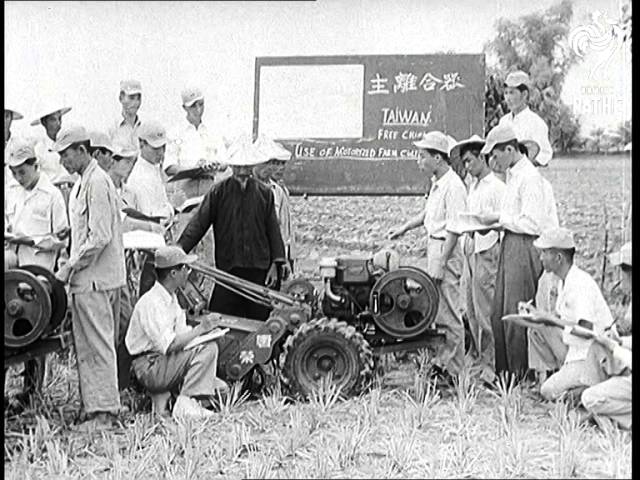
The term "organizational hegemony" designates the creation of organizational links between a centralized political party and such cultural institutions as film production units, newspapers, and drama companies, all of which are treated as political battlegrounds. The expression suggests that authorities not only aimed to produce and disseminate propaganda messages, but also to secure managerial control over a broad range of cultural groups and organizations, to recruit new personnel, to establish tactical alliances with progressive intellectuals, and to perform other principally organizational tasks. Instead of focusing only on the thematic propaganda content of individual films, this monograph also considers the institutional aspect of political labor in the context of authoritarian capitalism, focusing mainly on the 1960s. It also includes a brief discussion of the impact of national Chinese politics on the Hong Kong film industry.